Quick Answer
Lantana plant care is simple when you give the plant plenty of sunlight, good drainage, moderate water, and light feeding. Lantana grows best in full sun and well-drained soil. Established plants tolerate drought, but regular watering during long dry periods encourages better flowering. Prune lightly during the growing season and cut perennial plants back in early spring.
Introduction
Lantana is one of the easiest flowering plants to grow in warm, sunny conditions. Its colorful flower clusters can bring yellow, orange, pink, red, purple, and white tones to gardens and containers.
The plant is also popular with butterflies and other pollinators. However, poor flowering often comes from simple care mistakes. Too much shade, wet soil, or excessive fertilizer can all reduce blooms.
The good news is that lantana does not need complicated care. Once you understand its sunlight, watering, soil, feeding, and pruning needs, it can provide flowers for a long growing season.
What Does a Lantana Plant Need to Grow?
Lantana performs best when its basic growing conditions match its natural preferences.
| Care Need | Best Condition |
|---|---|
| Sunlight | Full sun |
| Soil | Well-draining soil |
| Water | Moderate, less after establishment |
| Fertilizer | Light feeding |
| Temperature | Warm conditions |
| Pruning | Light during growth, harder in early spring |
| Container | Pot with drainage holes |
| Propagation | Stem cuttings or seeds |
Lantana can tolerate less-than-perfect soil, but poor drainage is a serious problem. Excess moisture around the roots can contribute to root rot.
Image Suggestion: A labeled lantana care infographic showing sunlight, soil, water, fertilizer, and pruning needs.
Lantana Sunlight Requirements
Lantana needs full sun for strong growth and abundant flowers. Aim for at least six hours of direct sunlight each day, with more sun generally producing better flowering.
A plant growing in too much shade may become leggy. It may also produce fewer flowers and become more vulnerable to certain diseases.
If your lantana has healthy green leaves but very few flowers, check the light before adding more fertilizer. Lack of sunlight is a common reason for poor blooming.
For containers, place lantana where it receives direct sunlight for most of the day.
How Often Should You Water Lantana?
Lantana needs regular moisture while it is becoming established. After the roots develop, the plant becomes quite drought tolerant.
A useful approach is to water deeply rather than giving small amounts every day. During active growth, established plants can benefit from roughly an inch of water per week from rainfall or irrigation, although the exact need depends on heat, soil, container size, and rainfall.
Before watering, check the soil instead of following a strict calendar.
Water when:
- The upper soil has started to dry.
- The plant looks slightly stressed during prolonged heat.
- The weather has been unusually hot and dry.
- A container becomes noticeably lighter.
Avoid keeping the soil constantly wet. Overwatering is more dangerous than allowing an established lantana to become slightly dry.
Image Suggestion: Healthy lantana beside an overwatered lantana showing the difference in foliage and soil condition.
Best Soil for Lantana
The most important soil requirement is excellent drainage.
Lantana can grow in different soil types, including relatively poor soils, as long as excess water can drain away. Slightly acidic, well-drained soil is a good choice.
For garden beds, avoid locations where water remains after rain.
For containers, use a porous commercial potting mix and choose a pot with drainage holes. Do not place the container inside a decorative pot where drained water collects around the roots.
A common beginner mistake is improving soil by adding too much moisture-retaining material. Lantana does not need constantly damp roots to flower well.
How to Fertilize Lantana
Lantana is not a heavy feeder. More fertilizer does not automatically mean more flowers.
A light fertilizer application in spring is usually enough for plants growing in the ground. Vigorous plants may benefit from another light feeding during the growing season. Container plants can need more frequent feeding because repeated watering can carry nutrients away.
Avoid excessive nitrogen.
Too much nitrogen can encourage leafy growth while reducing flowering. Excess fertilizer can also contribute to other plant problems.
Practical tip: If your lantana has lots of leaves but very few flowers, do not immediately increase fertilizer. Check sunlight, watering, and pruning first.
Pruning Lantana for More Flowers
Pruning lantana helps control its shape and encourages fresh growth.
During the growing season, lightly trim long or overly vigorous shoots. This keeps the plant compact and can encourage another flush of flowers.
For established perennial lantana, stronger pruning is generally best done in early spring. Old growth can be cut back to encourage new shoots from the base.
Avoid aggressive fall pruning in areas where cold weather can damage the plant. Leaving some old growth can provide additional protection during winter.
Should You Deadhead Lantana?
You can remove faded flower clusters to keep the plant looking tidy and encourage continued flowering.
However, deadheading is not always essential for healthy growth. If you grow a cultivar that produces berries, removing spent flowers can also reduce fruit development.
Growing Lantana in Pots
Lantana grows very well in containers, especially when the pot provides excellent drainage.
Choose a container with drainage holes and use a fast-draining potting mix. A sunny patio, balcony, or entrance can work well.
Container lantana usually needs closer attention to watering than plants in the ground. Pots can dry quickly during hot weather, but they can also become waterlogged if drainage is poor.
Check the soil before watering rather than watering automatically every day.
Trailing lantana varieties are particularly useful for hanging baskets and containers because their stems can cascade over the edges.
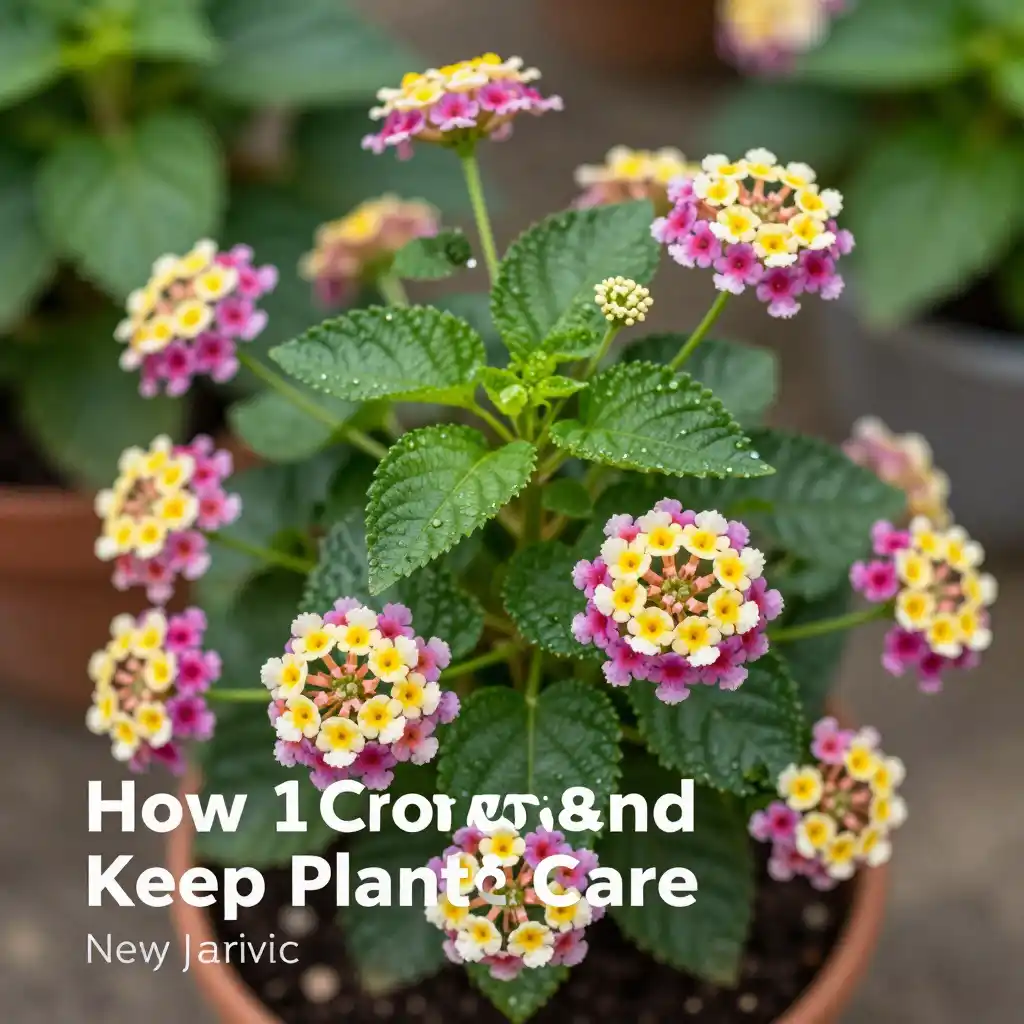
Image Suggestion: A healthy flowering lantana growing in a sunny container with drainage holes.
Lantana Winter Care
Winter care depends heavily on your climate and the lantana variety.
In warm regions, lantana can grow as a perennial. In colder areas, freezing temperatures can kill the above-ground growth or the entire plant. Some varieties are more cold tolerant than others.
If you grow lantana in a container and expect freezing weather, move it to a protected location before severe cold arrives.
For outdoor perennial plants, wait until spring growth begins before removing frost-damaged material. In some climates, old stems can provide useful protection during cold periods.
How to Propagate Lantana
Lantana can be propagated from seeds or stem cuttings.
Stem cuttings are often the practical choice when you want to reproduce a particular plant. Take healthy cuttings during active growth and place them in a moist, well-drained rooting medium.
Seeds can also work, but plants grown from seed may take longer to reach flowering size. Named cultivars may not produce plants identical to the parent when grown from seed.
For gardeners who want a reliable copy of a favorite lantana, cuttings are usually the better option.
Common Lantana Problems and Solutions
Why Is My Lantana Not Flowering?
The most common causes include insufficient sunlight, excessive fertilizer, and unsuitable watering.
Move container plants to a sunnier location if possible. Avoid excessive nitrogen and make sure the soil drains properly.
Why Are Lantana Leaves Turning Yellow?
Yellow leaves can have several causes, but overwatering and poor drainage should be checked first.
Feel the soil before watering again. If it stays wet for long periods, improve drainage and reduce watering.
Why Is My Lantana Getting Leggy?
Leggy growth often means the plant is not receiving enough light or needs pruning.
Give it more direct sun and trim overly long stems during active growth.
What Causes White Spots or Powdery Growth?
Lantana can develop powdery mildew, particularly when it receives too much shade, excessive moisture, or poor air circulation.
Improve airflow and avoid keeping foliage wet for long periods.
What Pests Attack Lantana?
Possible pests include whiteflies, spider mites, lace bugs, and caterpillars.
Inspect the undersides of leaves regularly. Early detection makes pest management much easier.
7 Lantana Care Mistakes to Avoid
- Growing lantana in deep shade
Less sunlight usually means fewer flowers. - Watering every day
Constantly wet soil can damage roots. - Using too much fertilizer
Excess nutrients can encourage leaves instead of flowers. - Using a pot without drainage holes
Trapped water can create serious root problems. - Ignoring leggy growth
Occasional pruning helps maintain a fuller shape. - Pruning heavily before cold weather
In colder climates, this can reduce winter protection. - Planting an invasive type without checking local guidance
Some lantana types can become invasive in warm regions. Sterile cultivars can be a better choice where invasive lantana is a concern.
Is Lantana Safe Around Pets and Livestock?

Lantana requires some caution.
The leaves and unripe berries can be toxic if eaten, and lantana is particularly known to be toxic to livestock. Some people may also experience skin irritation when handling the plant.
Keep lantana away from grazing animals and consider wearing gloves when pruning or handling it.
Also check your local recommendations before planting lantana, because some species or cultivars can behave invasively in suitable climates.
Frequently Asked Questions
Does lantana need full sun?
Yes. Full sun is ideal for strong growth and abundant flowering. Aim for at least six hours of direct sunlight.
Can lantana survive drought?
Yes. Established lantana is drought tolerant, although prolonged dryness can reduce growth and flowering.
How often should I water lantana in a pot?
Check the soil regularly and water thoroughly when the upper layer begins to dry. Container plants usually need more attention during hot weather.
Does lantana come back every year?
It depends on the variety and climate. In warm regions, lantana can behave as a perennial. In areas with freezing winters, it may die back or be grown as an annual.
Can lantana grow indoors?
It can be maintained indoors in suitable conditions, but it generally performs best outdoors with strong direct sunlight. Indoor plants may also attract pests such as whiteflies and spider mites.
Should I cut lantana back?
Yes. Light pruning during active growth can control its shape and encourage fresh flowering. Established perennial lantana can receive stronger pruning in early spring.
Why does my lantana have lots of leaves but no flowers?
Too much shade and excessive fertilizer are common causes. Give the plant more sunlight and avoid overfeeding.
Conclusion
Successful lantana plant care comes down to getting a few basics right. Give your plant plenty of direct sunlight, fast-draining soil, sensible watering, and only light fertilizer.
Do not treat lantana like a thirsty tropical plant. Its ability to tolerate heat and dry conditions is one of its greatest strengths. Overwatering can cause more problems than occasional dryness.
For the best results, watch the plant rather than following a rigid schedule. Check the soil before watering, prune when growth becomes long or crowded, and adjust care according to your climate.
With the right conditions, lantana can reward you with vigorous growth and colorful flowers throughout the warm growing season.